
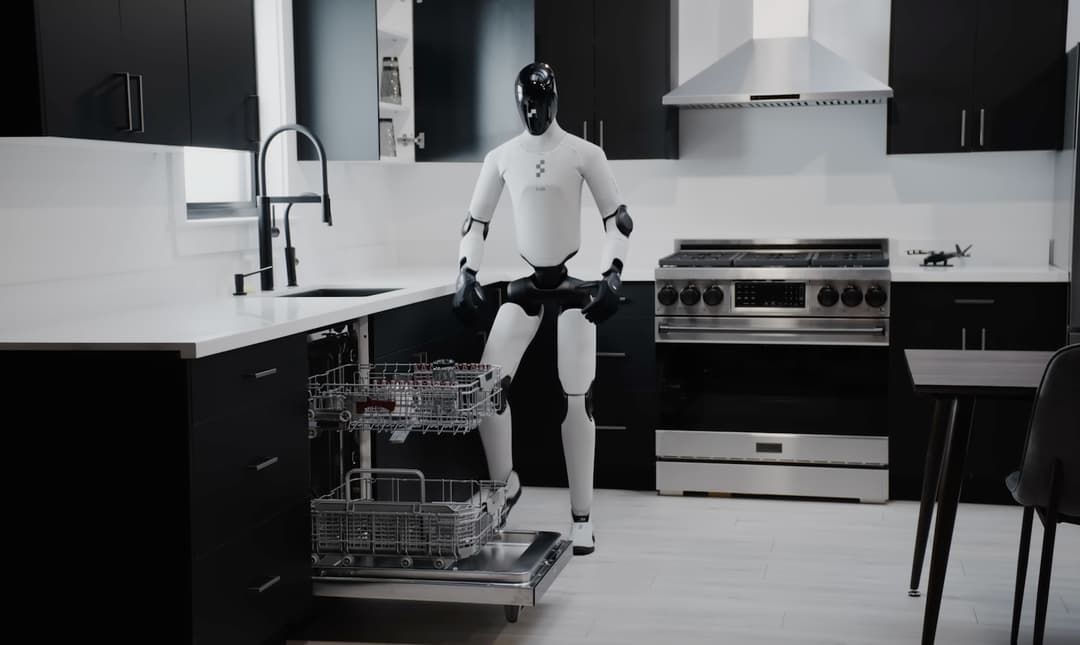
Figure AI built its first robots the way everyone builds their first robots: one behavior at a time, hand-coded in C++. Walking was one system. Grasping was another. Balance was a third. According to Figure, by the time they were done, they had over 100,000 lines of code just to keep the thing upright and functional. The Figure 03 scrapped all of it.
The central bet is that a robot controlled by a single end-to-end neural network will outperform one controlled by a patchwork of individual programs. Not incrementally, fundamentally. If they're right, the Figure 03 isn't just a better robot, it's a different kind of robot.
And they're already building them fast. Figure says BotQ, its dedicated manufacturing facility, went from producing one unit per day to one per hour in four months.
The Headline Feature — Helix 02: One Brain, Whole Body
Most humanoid robots divide their intelligence into departments. Locomotion, arm movement and vision are handled by separate controllers that pass instructions to each other and hope the handoffs are clean. The Figure 03 doesn't work that way.
Helix 02 runs a single neural network that Figure calls "System 0". System 0 is trained on over 1,000 hours of human motion data (Figure's figure). It manages balance, coordination, and manipulation simultaneously, running at 1 kHz, while also processing vision and responding to language. The result is a robot that can decide mid-task to use its hip to nudge a drawer shut, or its foot to prop open a dishwasher door, when its hands are occupied. Nobody programmed those moves. The system worked them out.
Why it works
The dishwasher-hip thing is a decent illustration of why unified control matters. A traditional split-controller robot fails that situation. The arm controller finishes its task, the drawer stays open, done. A robot reasoning over its whole body as one system can improvise. It's not a party trick; it's the architecture enabling a class of behavior that scripted systems can't reach.
Figure is also investing heavily in data generation to keep improving it. Human "pilots" wearing VR headsets perform tasks in first-person, producing video that trains Helix. More data, in theory, means fewer gaps.
What it doesn't solve
TIME Magazine sent journalist Billy Perrigo on-site to Figure's headquarters and to Brett Adcock's home. What he saw wasn't the polished demo reel. A Figure 02 running the same Helix software repeatedly failed to place a folded towel in a basket and dropped laundry on the floor without recovering. The freshly assembled Figure 03 struggled to fold T-shirts during a shoot at Adcock's house.
Rodney Brooks, iRobot co-founder, told TIME he's skeptical that vision-only data is enough to teach dexterity. The robot can see what it's doing, but it can't feel it, and that matters for anything requiring real physical precision.
Adcock himself told TIME the Figure 03 isn't ready for home deployment yet. "We think we can get there in 2026, but it's a big push." That's the CEO's own words, not a critic's take.
Other Notable Capabilities
Seventh-generation hands have more than 20 degrees of freedom and tactile sensors that Figure claims can detect 3 grams of pressure. That's roughly the weight of a paperclip. In practice, that means the robot can twist off a bottle cap or extract a single pill from a weekly organizer. Whether the sensors are sensitive enough for consistent real-world dexterity is the open question Brooks is pointing at.
Structural battery moves the power source from an external backpack into a load-bearing steel enclosure in the torso. Figure says it's designed to contain thermal runaway without external flames, though the certification body for that claim isn't specified in their materials.
Wireless inductive charging lets the robot step onto a charging mat (Figure claims 2kW, built into the feet) rather than waiting for someone to plug it in. The practical upside for shift-based deployment is high: the robot manages its own power without human intervention.
Home-safe exterior replaces hard exposed surfaces with soft textiles and multi-density foam to reduce pinch-point risk and look less industrial in a living space. Whether foam-covered hardware actually reads as less threatening in person is a question the TIME piece didn't resolve.
Known Deployments
BMW Manufacturing, Spartanburg SC — Active, commercial contract. Figure 03 is currently deployed across body-shop and assembly-line workstations under a paid commercial agreement covering an initial fleet of 40 units. The widely cited figures of 90,000 sheet metal parts, 1,250 operating hours, 99% accuracy belong to the preceding Figure 02 pilot, which ran for 11 months before Figure 02 was retired in late 2025. Those figures are Figure's own reported numbers, not independently audited.
Catalyst Brands Logistics, Reno NV — Commercial agreement signed. Robots being deployed for supply chain tasks across a multi-brand retail portfolio. No unit count or performance data published yet.
BotQ Manufacturing Facility — Active. Figure 03 units working their own production line as material handlers and assembly assistants. The company building robots to build more robots is either a flex or a stress test, depending on how you look at it.
"This deployment validates our thesis that humanoid robots can deliver real value in manufacturing environments today, not years from now." — Brett Adcock, Figure AI CEO
Outlook
Figure has a credible industrial story. BMW, real hours, real parts. If the accuracy rate and autonomy claims hold under independent scrutiny, that's genuinely impressive. If they can scale to their target of 12,000 units per year while maintaining that performance, they have a serious manufacturing business.
The home is a different problem entirely. TIME's on-site reporting showed a robot that stumbles on laundry. Adcock has said the safety and privacy challenges of domestic deployment are among the hardest the company faces. He also confirmed that data collected from robots in customer homes will be used to train future models, which is a privacy conversation the industry hasn't had properly yet. That's worth watching as closely as the hardware.