
Luna
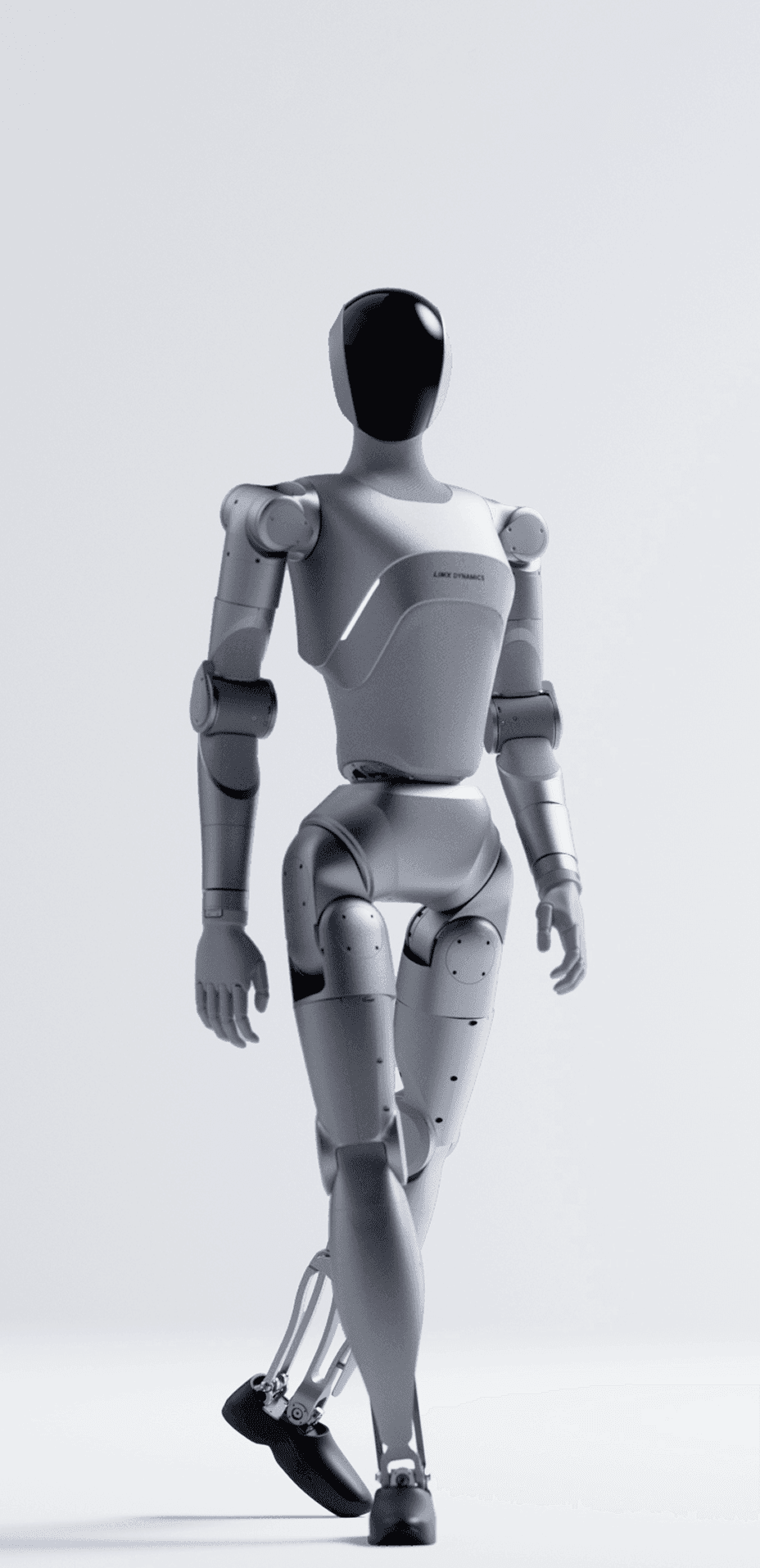
Fabric-clad performance humanoid built for live entertainment, dance, and interactive commercial venues
Price starting from
RMB 298,000 (~$41,000 USD)
Technical Details
Specifications
| Height | 1.6 m / 5' 3'' |
|---|---|
| Weight | 54 kg / 119 lb |
| Degrees of Freedom | 27 |
| Locomotion | biped |
| Payload | 3 kg |
| Battery Type | — |
| Speed | 1.39 m/s |
| Rated Runtime | 4 h |
Sensors
| Cameras | — |
|---|---|
| Depth Sensing | Yes |
| Lidar | Yes |
| IMU | Yes |
| Microphones | Not disclosed |
| Tactile Sensing | Force-limited joints and collision detection for safe close-proximity operation |
Software
| Control Mode | autonomous |
|---|---|
| Middleware | — |
| SDK | Proprietary |
| SDK Details | COSA Operating System; VideoGenMotion (VGM) framework; LimX Studio no-code app |
| Connectivity | — |
Deployment
Units Shipped: Not publicly disclosed
As of Aug 2026
Company Claim
LimX designed Luna for shopping malls, tourist attractions, trade shows, and entertainment venues, with fleet synchronization for group performances of up to 200 units
What's Actually Confirmed
This describes stated capability and target use cases, not a confirmed named venue deployment. No specific commercial site, unit count, or named customer was found
Frequently Asked Questions
What is the Luna and who makes it?
Luna is a fabric-clad performance humanoid built for live entertainment, dance, and interactive commercial venues. It is manufactured by LimX Dynamics and was announced in 2026.
How tall is the Luna?
Luna is 1.6 m / 5' 3'' tall.
How much does the Luna weigh?
Luna weighs 54 kg / 119 lb.
How much can the Luna carry?
Luna can carry a payload of 3 kg.
How much does the Luna cost? Is the Luna available to buy?
Luna starts from RMB 298,000 (~$41,000 USD). Listed at RMB 298,000 (~$41,000). Available since May 26, 2026 launch.
What are the main strengths of the Luna?
- Confirmed, consistent specs across primary and tier-1 sources (160cm/54kg/27 DoF/RMB 298,000)
- Distinctive fabric-clad design differentiating it from industrial-looking competitors
- Video-based motion imitation (VideoGenMotion) reduces manual choreography programming
- Significant hardware improvements over prior LimX generations (30% cooler joints, 150% more battery life)
- Fleet synchronization for up to 200 units, suited to large-scale live events
- Well-capitalized parent company (reported $200M Series B, Feb 2026)
What are the limitations of the Luna?
- Low payload capacity (3 kg per arm) limits any manipulation beyond gesture/performance
- No named commercial venue deployment confirmed
- Very new product (launched May 2026); real-world reliability at scale unproven
- Minor unresolved spec discrepancies (height 160 vs 165cm across sources; dual-arm payload 3 vs 6kg)
Related Humanoids

Last updated: Aug 2026