
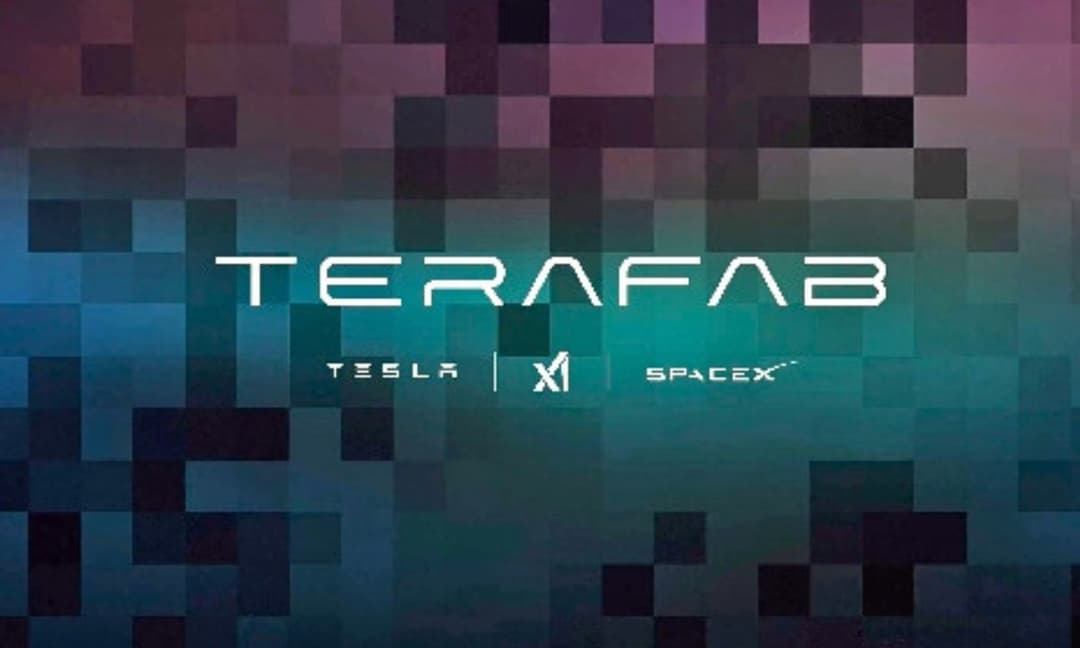
One Factory to Rule Them All
The TERAFAB facility, being built in Austin near Tesla's Giga Texas, is designed differently than traditional chip fabs. Instead of spreading out chip design, manufacturing, testing, and mask-making across different companies and continents, this one building will handle it all. The real innovation? They're including lithography mask-making on-site. That's the bottleneck that's plagued the semiconductor industry for years—you usually have to wait for specialized vendors to produce masks, then ship them across the world. By keeping it in-house, engineers can design a chip, manufacture it, test it, and iterate in a continuous loop without the typical delays. "It's about speed and efficiency," one industry observer told us. "Instead of months between design iterations, they're looking at days."
Why Robots Are the Killer App
So why does TERAFAB matter for robotics specifically? Because humanoid robots like Optimus need a lot of computing power to operate autonomously in the real world. Tesla estimates the market for humanoid robots could eventually hit 1 to 10 billion units annually—absolutely dwarfing today's 100-million-a-year vehicle market. That's not hype either. Major robotics companies are already racing to scale production. If you can't get the chips to power them, you've got nothing.
The Space Angle
Here's where it gets interesting—and honestly, a bit wild. The companies are also planning to launch orbital AI compute platforms using SpaceX's Starship. Their argument is straightforward: space-based solar power is about five times more efficient than Earth-based solar because there's no day-night cycle, no weather, no seasonal changes. Within a couple of years, they're claiming orbital compute will actually be cheaper than building more data centers on the ground. You avoid the gridlock of terrestrial real estate, the NIMBY battles over new facilities, and you get consistent power generation. "It sounds sci-fi, but the economics are actually checking out," according to engineers familiar with the plans. "Once you solve the launch cost problem—which SpaceX is actively doing—moving compute infrastructure to orbit becomes the obvious play."
Timeline and Reality Check
Let's talk timelines, because this is where rubber meets the road:
2026: First samples from TERAFAB partner fabs (TSMC and Samsung) will go into early Optimus prototypes and Cybercab vehicles. This is validation phase—making sure the chips actually work as designed.
2027: Mass production ramps up at Samsung's new Texas facility. This is when you'd start seeing meaningful volume hitting the robotics industry.
The Bigger Picture
What's genuinely interesting here isn't just the manufacturing innovation—it's the ambition. The companies are basically saying: we can't scale humanoid robots, AI infrastructure, and autonomous vehicles the way we want to with today's chip supply. So we're building our own solution, and we're thinking about it at a planetary and eventually solar-system scale. Whether you buy into the space-based compute vision or not, the semiconductor bottleneck is real. Companies building robots are already feeling it. If TERAFAB actually delivers on its promises to dramatically increase chip production and speed up iteration, it could meaningfully accelerate the robotics timeline. The next year will be telling. We'll see how many chips actually come out of TERAFAB in 2026, whether they perform as advertised in real robots, and whether the partnership between three famously headstrong companies actually holds together.
Follow-up coverage on chip specifications and Optimus deployment updates coming in Q2. Stay tuned.